Training in ad random checks: Scouting, Seed & Plant Sampling
Routine scouting and sampling are essential pillars of professional greenhouse management. They transform our production systems from reactive to proactive — allowing you to detect issues early, maintain crop quality, and optimize inputs (click here to request and obtain more information)
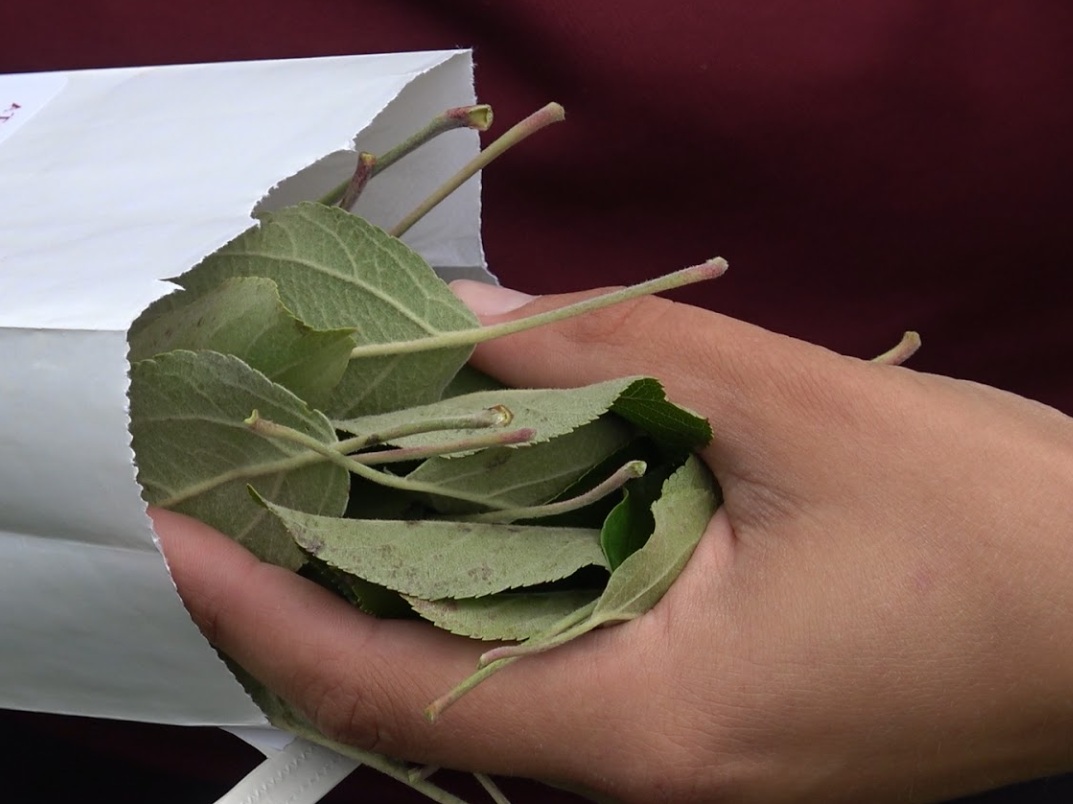
What Scouting Is — and WhyIt Matters
Scouting is the systematic, regular inspection of crops to identify pests, diseases, and physiological problems at the earliest possible stage. In a controlled greenhouse environment, small issues can escalate rapidly. Scouting acts as your early warning system. It needs to be ad random and representative. In this training you will gain expertise in the approach and conducting of scouting and sampling processes.
Key benefits of scouting& monitoring
Prevents outbreaks instead of reacting to them
Reduces pesticide use
Protects beneficial insects
Maintains consistent cropquality
Saves time and money by avoiding large-scale losses
Scouting is not the responsibility of a single person. Workers who handle plants daily often notice symptoms first. Training them to recognize and report abnormalities strengthens the entire monitoring system.
2. What Sampling Is — and Why It’s Powerful
Sampling turns your greenhouse into a monitored ecosystem rather than a guessing game. By analyzing leaves, fruits, seeds, substrate, or water, you gain objective data about planthealth and system performance.
Key benefits of (routine)Sampling:
Detect pests, diseases, ornutrient issues before symptoms appear
Understand whether plants are absorbing nutrients as intended
Adjust fertilization and irrigation based on real data
Monitor EC, pH, and nutrient levels in irrigation and drain water
Prevent salt buildup, rootstress, and nutrient lockout
Routine sampling creates acontinuous feedback loop: measure → adjust → measure This leads to more uniform crops and higher yields over time.
3. Early Detection (for scouting and sampling): The Most Valuable Outcome
Most major infestations begin with only a few individuals. Weekly, consistent scouting — same day, same time, same locations — builds a baseline that makes changes easy to spot.
Early detection means:
Cheaper, simpler interventions
Less crop loss
Faster recovery
Fewer chemical treatments
A single disease lesion can contain thousands to millions of spores. Catching it early stops the chainreaction.
4. Tracking Pests andDisease Pressure
Effective monitoring tools include:
Sticky traps
Leaf and root inspections
Population trend tracking
Staff training to recognizeearly symptoms
This information allowsprecise timing of biological controls and targeted treatments.
5. Supporting IntegratedPest Management (IPM)
IPM depends entirely onaccurate, timely information. Scouting and sampling provide the data needed tomake informed decisions.
IPM requires:
Correct pest identification
Correct timing
Correct release rates for biologicals
Monitoring to confirm effectiveness
Without scouting, IPM becomes guesswork.
6. Meeting Certification and Customer Requirements
Quality systems such as GSPP, GlobalG.A.P., NAL and ASLN, ELITE, NAFI, HSPO and many retailers and stakeholders do require documented sampling and monitoring. A strong scouting and sampling program demonstrates professionalism, traceability, and safe production practices.
7. Reducing Costs Through Prevention
Early intervention might require:
A few biologicals
A spot treatment
Some pruning
Late intervention might require:
Full-house chemical sprays
Crop loss
Customer loss
Weeks of recovery
Routine scouting and sampling are inexpensive insurance policies. They prevent waste and optimize the use of fertilizers, water, and crop protection products.
8. Protecting theGreenhouse Ecosystem
All incoming plant materials must be inspected immediately.
Nothing enters the greenhousewithout a check.
Quarantine areas prevent theintroduction of pests and diseases from external sources.
This protects the entire production system.
Apply for a BreedWise Training
Feel free to reach out through our form. We typically get back within 2 business days.